

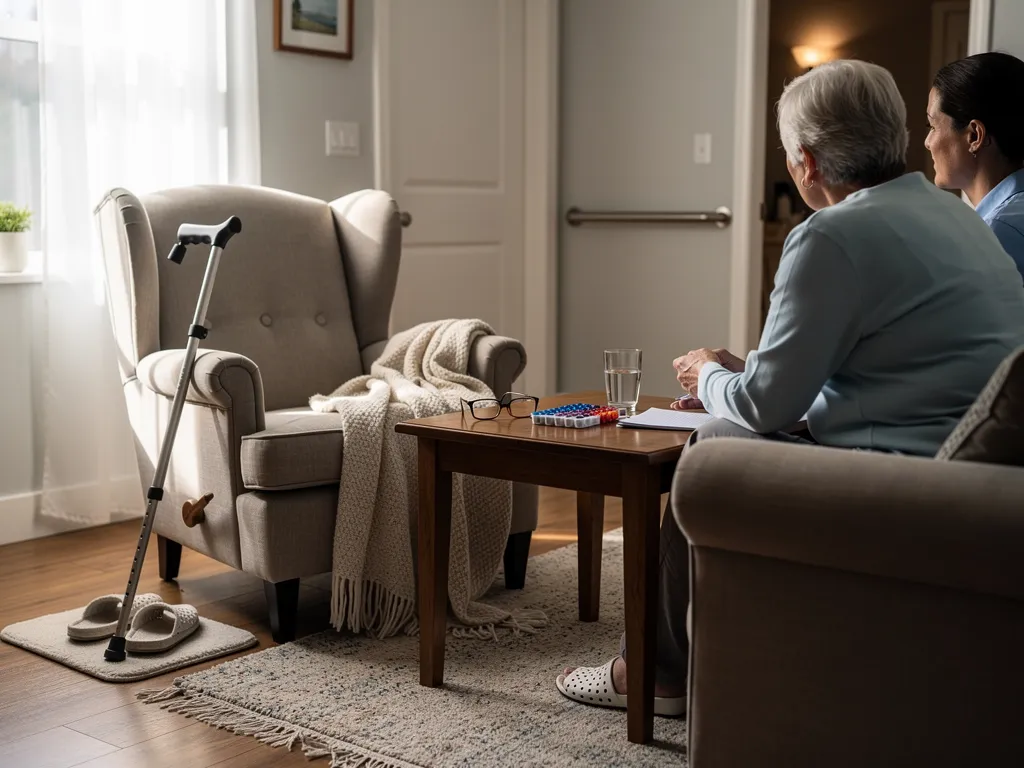
Home care is the right choice when a loved one wishes to remain at home but needs help with daily tasks. Gentle Hearts Home Care serves the Greater Philadelphia Metro Area, offering hourly, overnight, or 24-hour live-in support. How Do I Know if Home Care Is the Right Choice for My Loved One? preserves independence and avoids the disruption of a facility move.
Determining the right care path begins with a clear-eyed assessment of daily life. Home care is the right choice when a loved one needs support to remain safe and comfortable in a familiar environment. Delaying this decision risks preventable accidents, declining health, and the emotional toll of an unwanted relocation.
Families in the Greater Philadelphia area often weigh these factors against the alternative of a nursing facility. Home care services provide a more accessible option, allowing older adults to remain at home even as their care needs increase. Aging in a familiar environment improves mental and emotional well-being. The surroundings hold decades of memories. Routines stay intact. A sense of control endures.
What Are the Practical Signs That Home Care Is Needed?
A family should look for specific, observable changes in daily functioning. Unopened mail, spoiled food in the refrigerator, or unexplained bruises signal that independent living has become risky. A decline in personal hygiene or missed medication doses indicates that hands-on support is overdue. Gentle Hearts Home Care provides compassionate, reliable, and personalized care to support independence at home, stepping in precisely where these gaps appear.
How Does the Cost of Home Care Compare to a Facility?
Home care is often more affordable than nursing home care. Families find a more budget-friendly solution without sacrificing quality. The flexibility of hourly support, overnight assistance, or 24-hour live-in care means a family pays only for the services a loved one truly needs. This targeted approach preserves financial resources while delivering professional, skilled attention.
Evaluating these factors requires an honest look at safety. A family can begin by reviewing the commitment to safety that guides every caregiver. The right choice honors a loved one’s dignity. It keeps them where their heart is.
What Signs Show Your Loved One Needs Help?
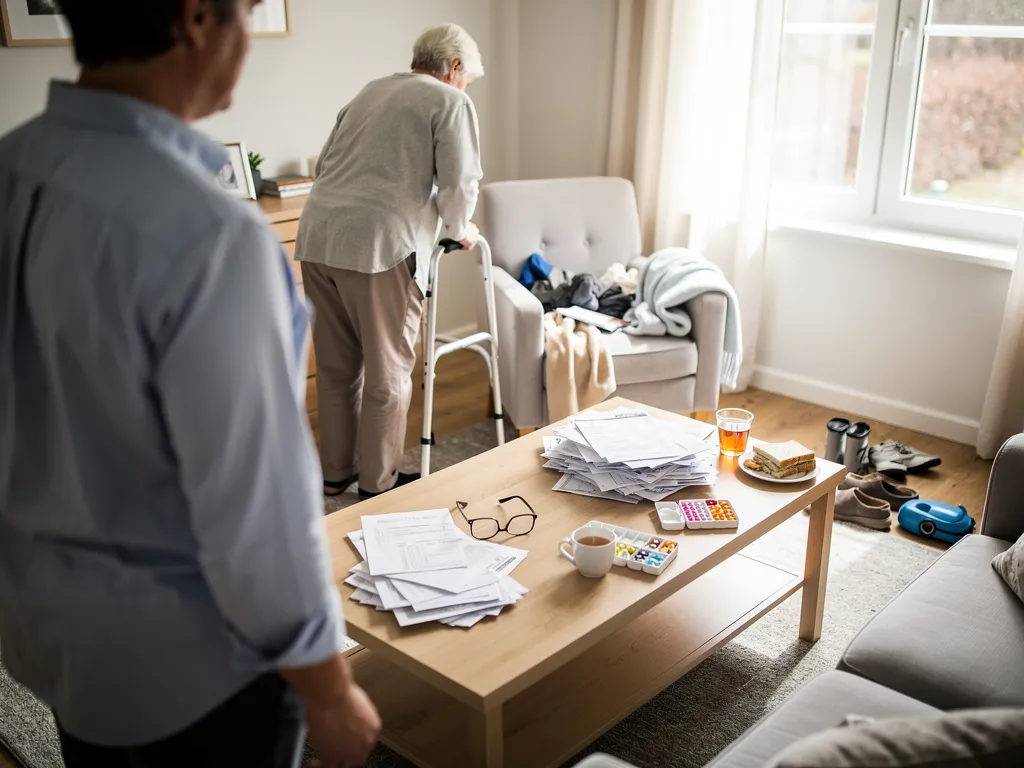
Recognizing when a family member requires support starts with observing daily patterns. Subtle shifts in behavior, appearance, and routine often signal that independent living has become difficult. Families who catch these signs early prevent crises that lead to hospitalization or premature facility placement.
What changes in personal care suggest a need for home care?
Declining personal hygiene stands out as one of the most visible indicators. A loved one who once took pride in appearance may wear soiled clothing, skip showers, or neglect oral care. These changes in personal hygiene and grooming often stem from physical limitations, fear of falling in the bathroom, or cognitive decline that makes sequencing tasks overwhelming. Gentle Hearts Home Care addresses these needs through respectful personal care assistance that preserves dignity at every step.
How do household struggles point to a need for support?
A home that was once tidy may show signs of neglect. Unopened mail piles up. Expired food fills the refrigerator. Prescriptions go unfilled or doses get missed. Difficulty managing household tasks, nutrition, and medications creates real danger. Malnutrition, medication errors, and unsafe living conditions follow quickly when these daily responsibilities slip. Professional caregivers restore order through meal preparation, light housekeeping, and medication reminders tailored to each client’s routine.
Physical safety concerns demand immediate attention. Mobility issues, balance concerns, and fall risks reveal themselves through unexplained bruises, hesitation when walking, or a new reliance on furniture for support. Falls are a serious concern for older adults, and a single fall often triggers a downward spiral of injury and lost confidence. Families seeking to ensure quality care at home benefit from a thorough safety assessment and consistent supervision.
Signs of social withdrawal or cognitive decline appear more gradually. A parent who abandons longtime hobbies, avoids phone calls, or shows confusion about familiar faces needs evaluation. These changes isolate seniors and accelerate decline. Gentle Hearts caregivers provide companionship and recreation that re-engage clients with the world around them, supporting both emotional well-being and cognitive function.
What Types of Home Care Support Are Available?
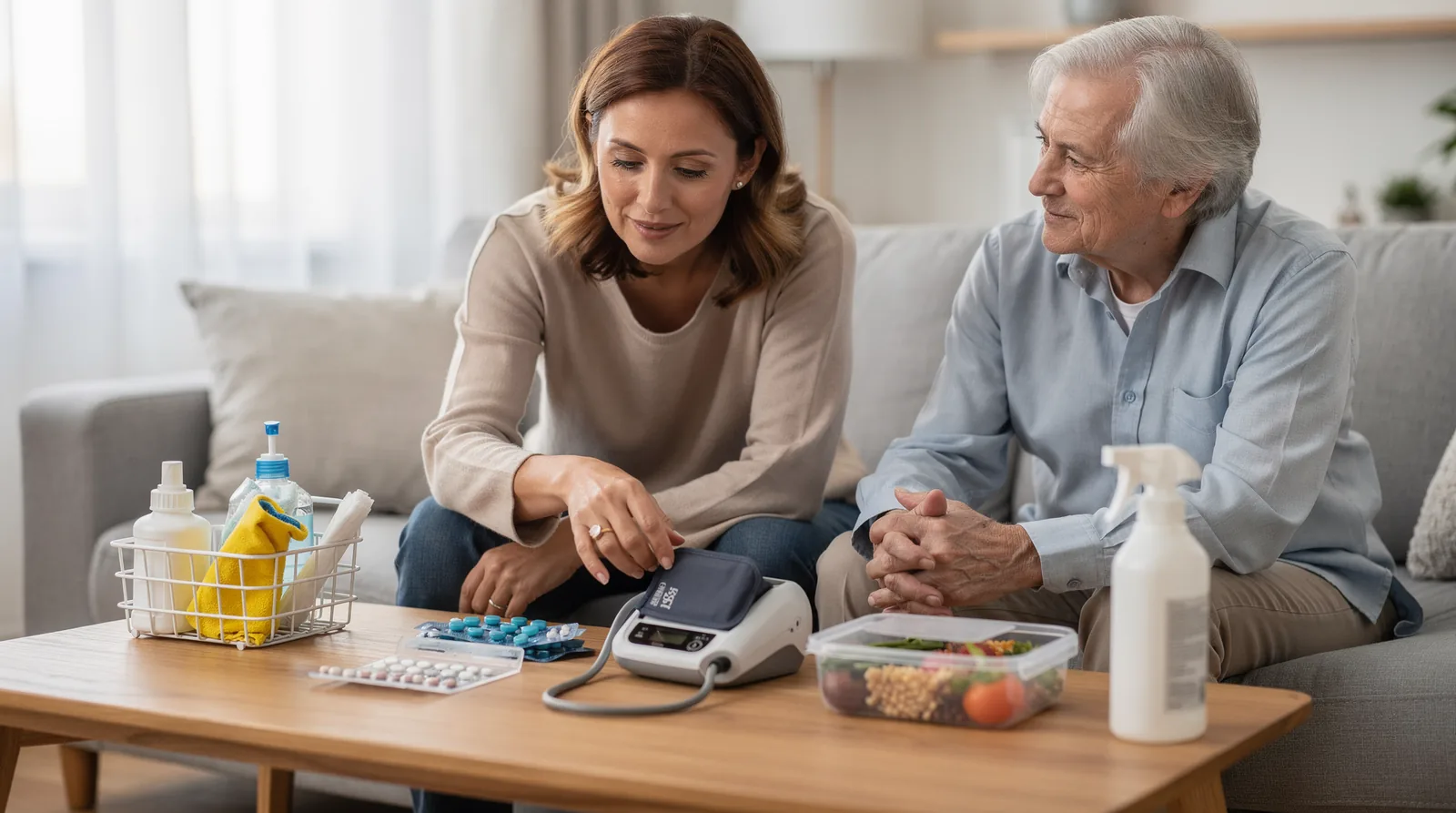
What Types of Home Care Support Are Available
Gentle Hearts Home Care structures its support across three distinct service intensities. Families choose from hourly support, overnight assistance, or 24-hour live-in care. Each option adapts to a client’s current needs while preserving daily routines and familiar surroundings.
How does hourly home care work?
Hourly care delivers scheduled, task-focused assistance without disrupting a senior’s independence. A caregiver arrives for a predetermined block of time to handle specific responsibilities. The visit might cover meal preparation, medication reminders, or light housekeeping. This model suits older adults who manage most activities alone but need reliable help with physically demanding or safety-critical tasks.
What does overnight assistance include?
Overnight assistance provides a trained professional who remains awake and alert while the client sleeps. The caregiver monitors for falls, confusion, or bathroom trips during nighttime hours. Families gain uninterrupted rest, knowing a skilled companion is present. Gentle Hearts Home Care also extends this service to clients who experience anxiety after dark.
When is 24-hour live-in care the right solution?
Round-the-clock care becomes essential when a senior cannot safely be left alone at any point in the day. A caregiver resides in the home, delivering continuous support with personal care, mobility, and household management. This arrangement eliminates the stress of shift changes and ensures immediate response to emergencies. It also preserves the deep emotional comfort of aging in a beloved home.
The agency’s caregivers handle a comprehensive range of daily responsibilities. Meal preparation and diet planning ensure proper nutrition aligned with medical or personal preferences. Medication management keeps prescriptions on schedule and reduces the risk of missed doses. Companionship and recreation counter social isolation through conversation, games, and shared hobbies. Personal care and assistance covers bathing, dressing, grooming, and toileting with dignity and respect. Families exploring the emotional benefits of social engagement can review the advantages of senior companion care for a loved one’s well-being.
How Does Home Care Compare to a Facility?
Home care keeps a senior in a familiar, private residence. A facility requires relocation to an institutional setting. The difference shapes daily life, autonomy, and emotional well-being in ways that families in Delaware County and Greater Philadelphia weigh carefully.
Sierra Goetz, co-founder and operations director at the HomeCare Advocacy Network, confirms that an overwhelming majority of seniors want to remain in their homes for as long as possible. Home care honors that preference. Seniors follow their own schedules, surrounded by the comforts of home. They wake in their own beds. They eat when they choose. A facility imposes structured meal times, shared spaces, and a communal rhythm that can feel disorienting.
What Does Home Care Preserve That a Facility Cannot?
Home care preserves personal identity. Gentle Hearts Home Care believes that care should not only support independence, it should honor it. A caregiver steps into the senior’s world rather than asking the senior to adapt to a new one. Familiar photographs, a beloved garden, and a neighborhood walking route remain part of daily life. These anchors reduce confusion and anxiety, especially for those with cognitive decline.
How Do Caregivers Adapt to Individual Routines?
Caregivers from Gentle Hearts work with sensitivity, respect, and attention to each client’s unique strengths and daily routines. If a senior can dress independently but needs help with meal preparation, the caregiver supports only what is needed. This targeted assistance protects dignity. In a facility, care follows a standardized schedule. Staff rotate. Personal preferences often yield to operational efficiency.
The contrast extends to safety. A familiar home environment, combined with professional oversight, reduces fall risks. Families exploring how to know if home care is the right choice for their loved one should consider that ensuring senior safety in a known space often proves more effective than navigating unfamiliar hallways. Home care delivers one-on-one attention. A facility divides staff time among many residents. For families prioritizing emotional continuity and personalized support, the evidence points decisively toward home care.
How Do You Choose the Right Home Care Provider?
Selecting a home care provider demands careful evaluation of compatibility, services, and safety protocols. Families in the Greater Philadelphia Metro Area must prioritize agencies that demonstrate both professional rigor and genuine compassion. A rushed decision risks caregiver mismatches that disrupt a loved one’s comfort and daily stability.
What Questions Should Families Ask During an Initial Consultation?
Direct questions reveal an agency’s true capabilities. Families should ask about caregiver screening processes, training requirements, and how the agency handles schedule changes or emergencies. Requesting specific examples of how caregivers respond to resistance during personal care tasks provides insight into their patience and problem-solving approach.
How Does Caregiver Compatibility Affect Long-Term Success?
Compatibility shapes the entire care experience. Gentle Hearts Home Care addresses this through a personalized Comfort Match guarantee, ensuring caregivers are matched for compatibility with each client’s personality, routines, and preferences. A strong match reduces anxiety and builds trust faster. Without it, even skilled caregivers struggle to create the emotional safety seniors need to accept help with intimate tasks.
Evaluating a provider involves three concrete steps:
-
Assess daily care routines and safety risks. Document specific tasks requiring support, from meal preparation to mobility assistance, and identify fall hazards in the home.
-
Involve the loved one respectfully in the decision. Include the senior in interviews and trial visits to honor their autonomy and gather their honest impressions.
-
Verify service area and availability. Confirm the agency reliably serves the family’s location. Gentle Hearts Home Care operates from Clifton Heights, Pennsylvania, and serves communities throughout the region.
Families searching for reliable home care services in Clifton Heights, PA, benefit from providers who combine local accessibility with structured matching processes. The right choice protects a loved one’s dignity while delivering the consistent, skilled support that prevents caregiver burnout and placement in a facility.
FAQ
How do I know if home care is the right choice for my loved one?
Home care is the right choice when a loved one needs help with daily tasks but wishes to remain at home, preserving independence and avoiding a facility move.
What signs show my loved one needs home care?
Unopened mail, spoiled food, unexplained bruises, declining personal hygiene, or missed medication doses signal that independent living has become risky.
How does the cost of home care compare to a nursing facility?
Home care is often more affordable than nursing home care, and families pay only for the services their loved one truly needs.
Conclusion
The decision comes down to honoring your loved one’s preference for independence, safety, and personal identity in a familiar home environment. Home care delivers one-on-one attention, preserves daily routines, and avoids the institutional constraints of a facility. Evaluate your loved one’s specific needs, involve them respectfully in the process, and choose a provider that prioritizes genuine compatibility. This path protects dignity and provides the consistent, skilled support your family deserves.
